A steel roof and an aluminum vent are a bad match because of.
Roofs made of sheet copper should be jointed with solder.
Continuous long runs of soldered seams should be avoided to limit stress fractures lead free options which are primarily tin based are available for lead.
Lap seams should have a minimum 1 inch overlap and no gaps larger than 1 16 inch.
Alternative tin based solders are available for those who prefer a lead free installation.
The solder often used is common 50 50 tin lead bar solder for uncoated copper.
Metal roof tiles are typically made of.
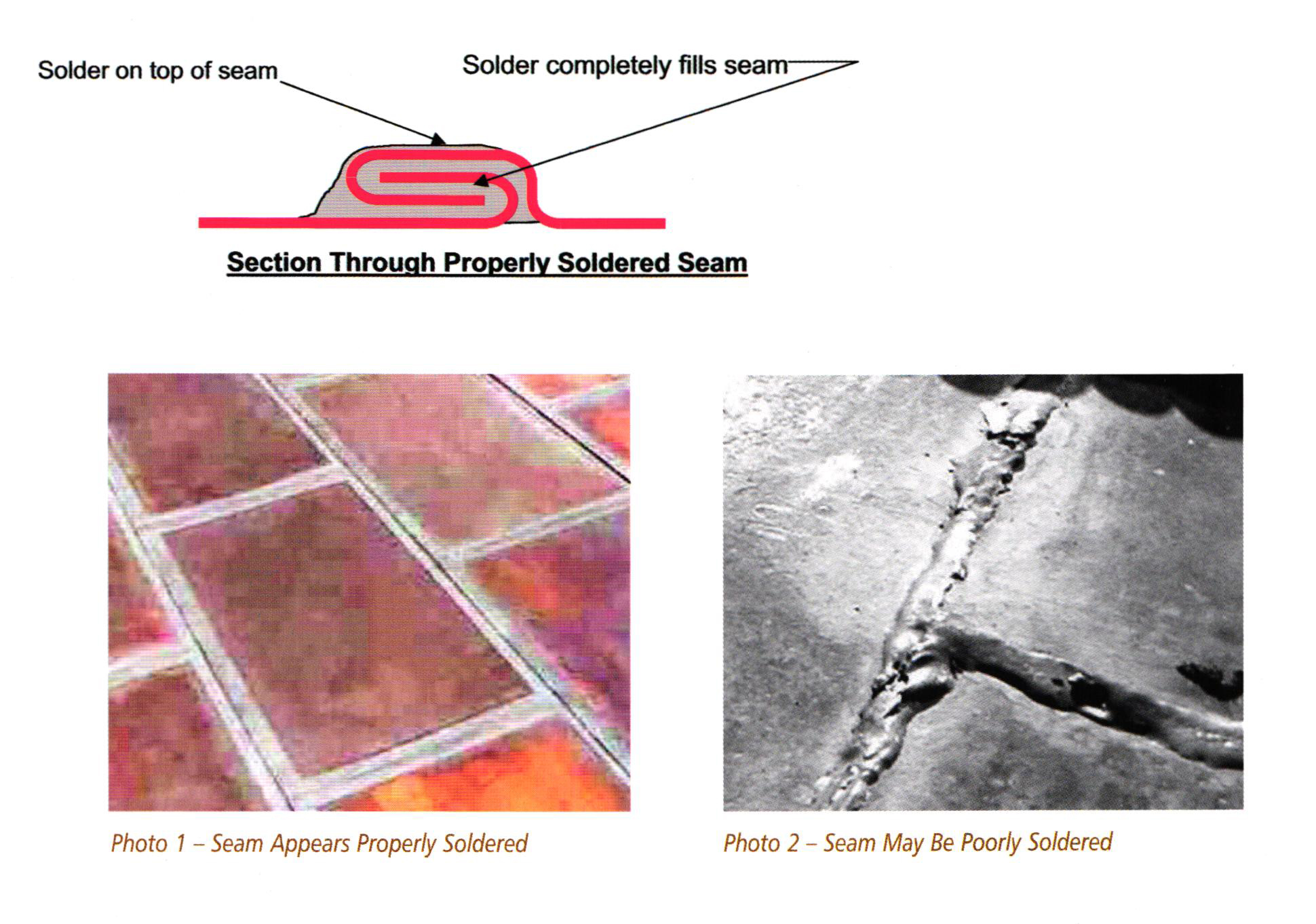
Blind soldering minimizes exposed solder in finished joints.
Standing seams or solder.
Until 1870 nearly all copper sheet roofing was laid in sheets generally 2 by 6 in size joined at the sides with vertical standing seams.
Metal roof tiles are typically made of.
To do this solder is applied to the back or concealed edge of copper surfaces walas says.
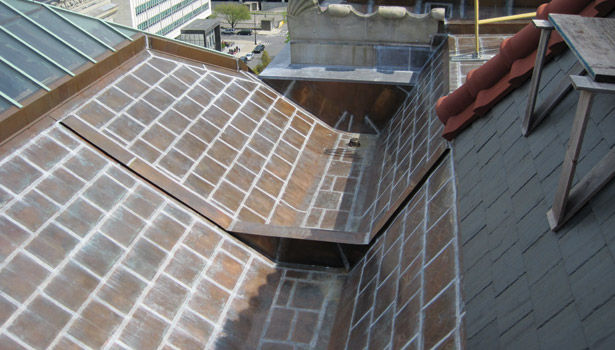
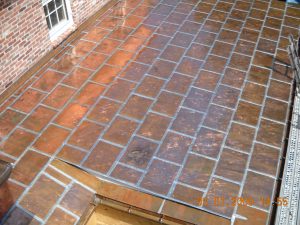
Architectural sheet metal components such as flat seam roofing and flashings must be joined properly to maintain durable and reliable watertight assemblies photo 1.
Crushed stone or gravel ballast on a built up roof.
The melting point of copper cu alloy uns c12200 is 1 981 f 1082 c.
Lead coated copper should be soldered with 60 40 lead tin solder.
This is a specialty application generally designed and prefabricated for an exact job.
The proper flux to use depends on the material you are soldering.
Lead coated copper will benefit from the added strength of using a 60 40 lead tin solder.
A steel roof and an aluminum vent are a bad match because of.
Clips attached to the roof would be held between the sheets.
It involves laying out sheets of copper on a roofing substrate that assembles in one piece without joints or seams.
While sealants can provide watertight integrity on steep sloped applications the relatively short service life.
The higher the tin content in the solder the higher the tensile shear strength will be.
Solder much prefers bright copper with a very close fit.
The upstand would then be folded over either once or twice to form the seam.
The basic difference between soldering and brazing is the temperature necessary to melt the filler metal.
Lead coated copper does not extend the life of copper.
Soldering flux serves one main function in joining roofing materials it is meant to prevent oxidation of the metal which causes poor adherence of solder.
Fasteners made of are recommended for tile roofs.
Copper or stainless steel.
Protects the roof from sunlight.
Sheet copper roofs are jointed with.
As such the filler metals for soldering and brazing copper and copper alloy tube and fittings must have melting temperatures below this temperature.
Continuous copper roofing is the most expensive option.
Horizontal joints would be folded over flat to form welts.
Panels are less expensive than continuous.
Sheet copper roofs are jointed with.
Standing seams or solder.
Install only as much copper as can be soldered by the end of the day.