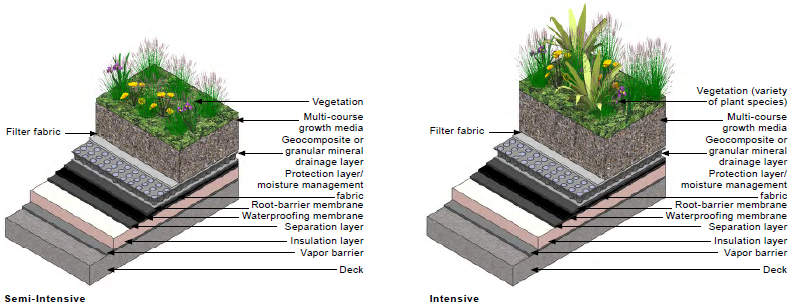
Additional benefits of ballast on a flat roof.
Roof ballast depth.
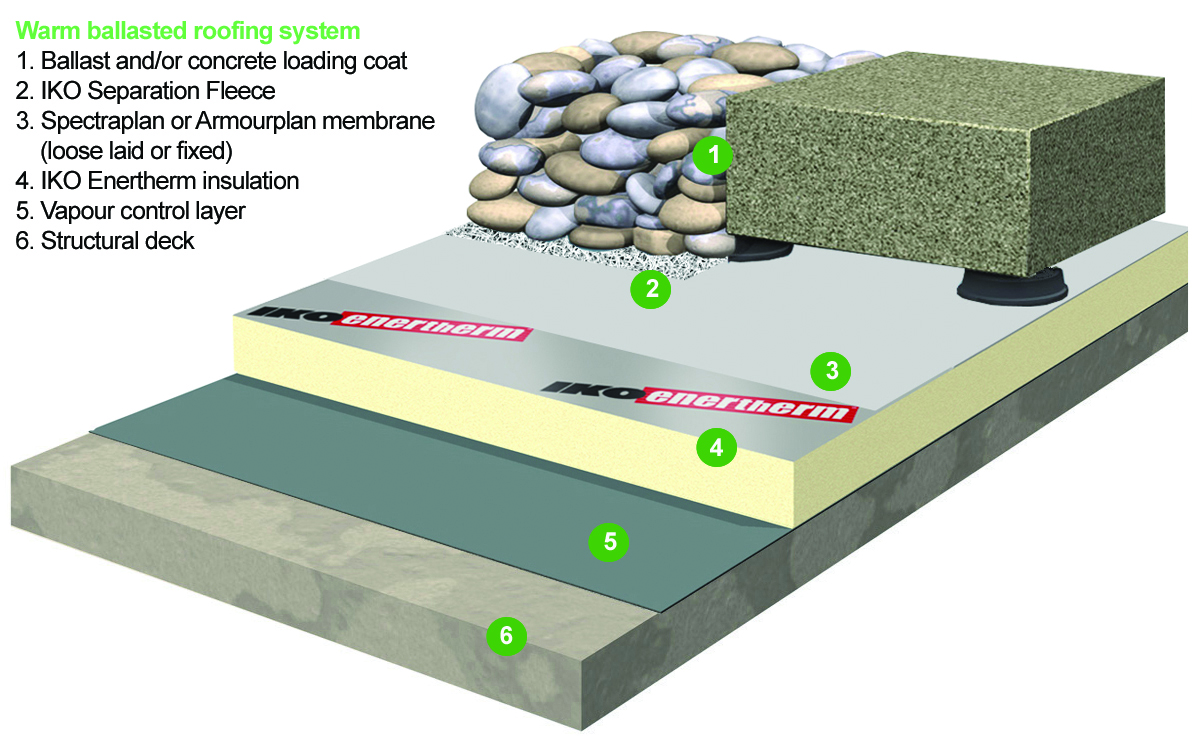
Roofing southwest a ballast system helps cut roof system application costs as it takes less time to install since sealing the layers together isn t necessary.
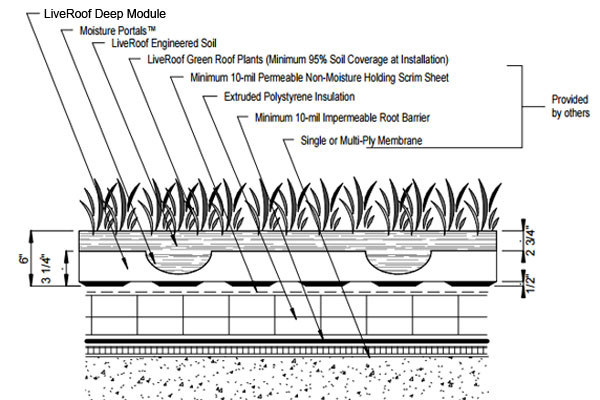
Modular trays can have a variety of different outlet designs according to the goals of the installation e g reduce peak flows achieve specific lag time for target events etc.
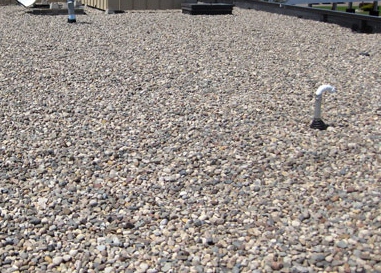
The stones used in ballasted roofing are generally 1 5 2 5 inches in diameter and applied in a thicker layer.
2 the membranes tend to pull at their perimeter ties raising and stretching the.
Or you may call us at 440 946 2233.
The weight of the ballast equals the weight of the water it causes the vessel to displace.
Generally loose laid ballasted roofing systems are not recommended or at least discouraged for three reasons.
Benefits of a ballasted roof system.
Holes mean roof leaks and roof leaks mean call the roofer.
Needed at perimeters and at large penetrations.
For built up roofing the gravel was generally 25 5 inches in diameter.
To learn more about selecting a commercial roofer in cleveland ohio simply fill out the form on this page and a member of our team will be in touch.
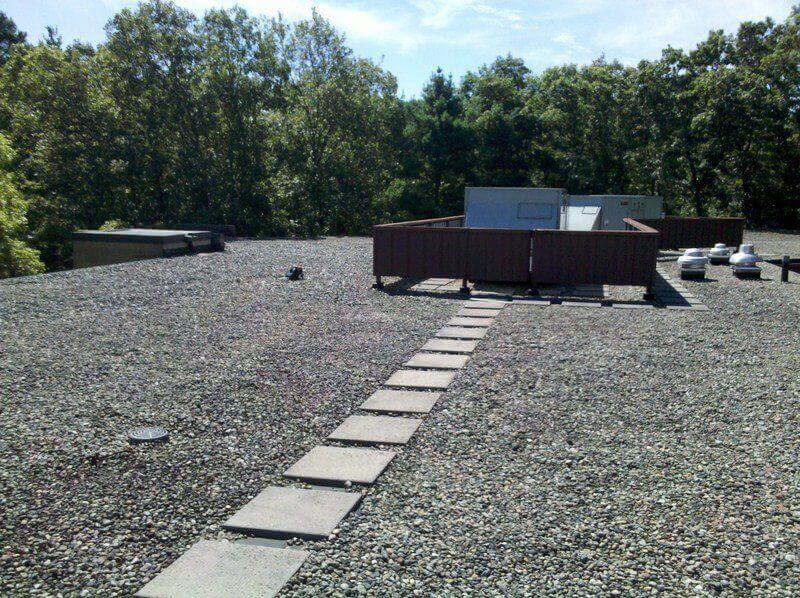
Ballast stones are usually one to two inches thick and applied more generously than on a built up roof.
Doesn t produce any foul smell during construction.
Finally the ballast stone or and pavers are laid down throughout the roof system.
The depth of the ballast or media contained in the trays can be varied depending on the desire to reduce the presence of open water surfaces.
Somebody walking on the roof will undoubtedly step on the ballast and put a hole in the membrane.
Contact hydrotech for specific installation guidelines.
Most roofers typically installed 10 15 pounds of ballast per square foot.
In the field of the roof a minimum of 10 lbs s f.
Ballast is required with 20 lbs s f.
Though not as common as they used to be ballasted roof systems still prove to be a viable solution for today s commercial roof needs.
Seawater weighs 64 1 pounds per cubic foot.
Stone ballast typically requires crushed graded stone placed over a stone filter sheet rolled out over the insulation.
An insufficient depth of ballast causes overloading of the underlying soil and in unfavourable conditions overloading the soil causes the track to sink usually unevenly.
If you remove 64 1 pounds of ballast then the vessel will displace 1 cubic foot of water less than it did before the 64 1 pounds of ballast was removed.
Simply put a ballasted roof is easy to install and basically guaranteed maintenance work for a roofer.
1 a leak is very difficult to locate because the water runs freely in numerous directions and for longer distances under the loose laid membrane.
Divide the amount of ballast to be added or removed by 64 1.
The heavier stones provide substantial protection against wind gusts.
Ballasted roof systems are simultaneously a roofer s best friend and arch nemesis.
Installs very quickly since no fasteners or adhesives are used.