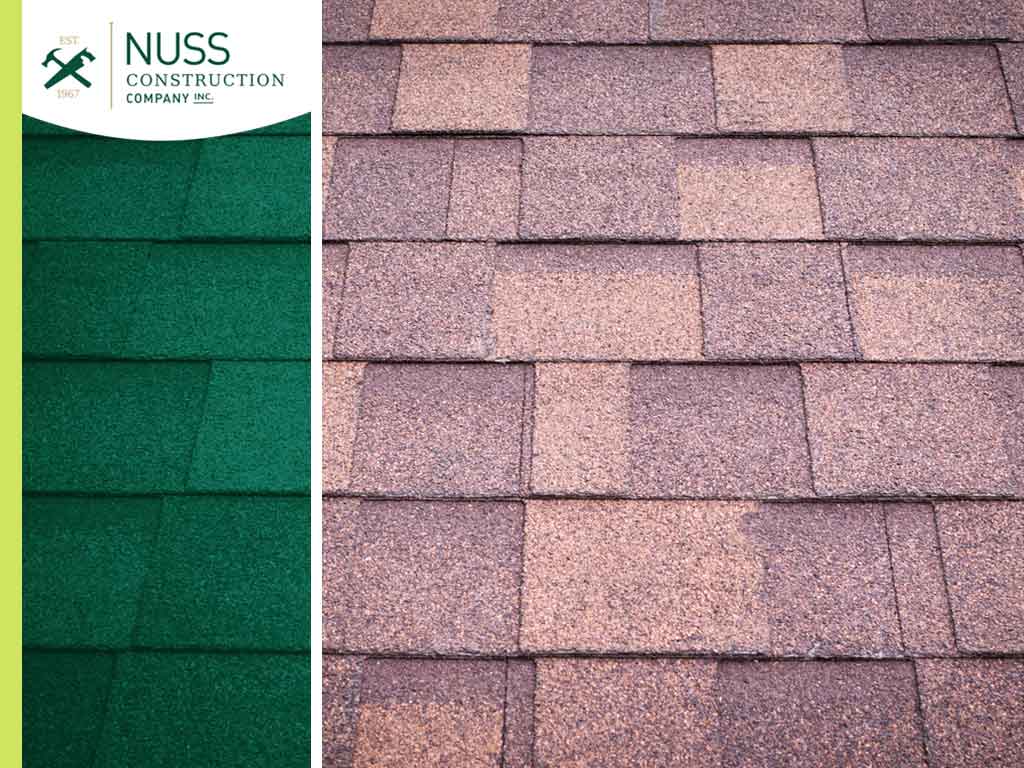
Blisters or blister rash can be identified by inconsistent bubbles rising up from inside the shingle.
Roof assembly blister.
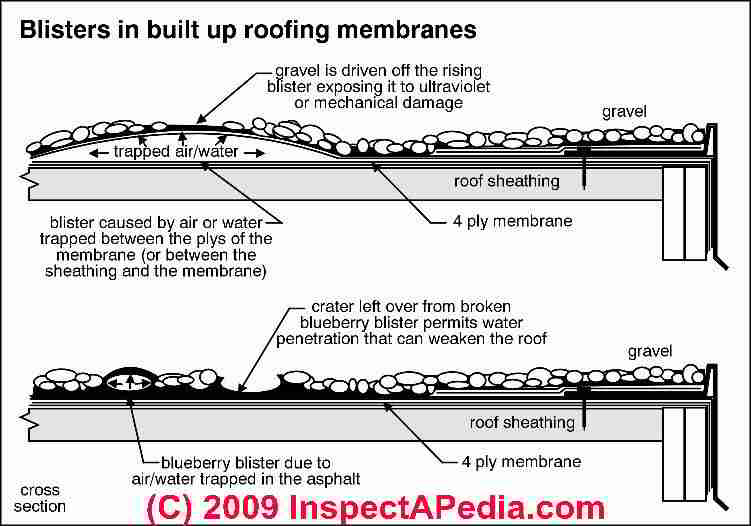
The roof is usually surfaced with gravel to provide ultraviolet protection.
Construction definition roof blister.
A continuous relatively inflexible roof assembly consisting of plies usually 3 or 4 of saturated felts or fabrics between which layers of bitumen asphalt pitch or modified rubberized asphalt is applied.
Other areas such as the eaves as well as siding that s adjacent to the attic can also be affected by the trapped heat.
The lesions may consist of white spots or lacelike white changes.
Causes of blisters all conventional low slope roof systems experience blisters in some form.
Blister formation can be accelerated by poor attic ventilation.
A roof blister is a raised area where there is a loss of adhesion of the roof.
Aim for several spots near the blister s edge.
Trapped heat in the attic can raise the roof temperature to the point where it can form more blisters.
Let the fluid drain but leave the overlying skin in place.
Sterilize a clean sharp needle by wiping it with rubbing alcohol.
Swab the blister with iodine.
Use the needle to puncture the blister.
While undergoing the lamination process moisture can be trapped between layers.
The shingles are composed of different layers of material.
Blister packing provides a protective clear front plastic covering that allows retail customers to see your product and the front side of the paperboard backing offers a wide range of advertising options.
This area can fill up with air or water to form a blister which looks like a bubble on your roof.
Blistering only occurs in asphalt roof shinglesas it is a byproduct of manufacturing or installation.
Apply an ointment such as petroleum jelly to the blister and cover it with a nonstick gauze bandage.
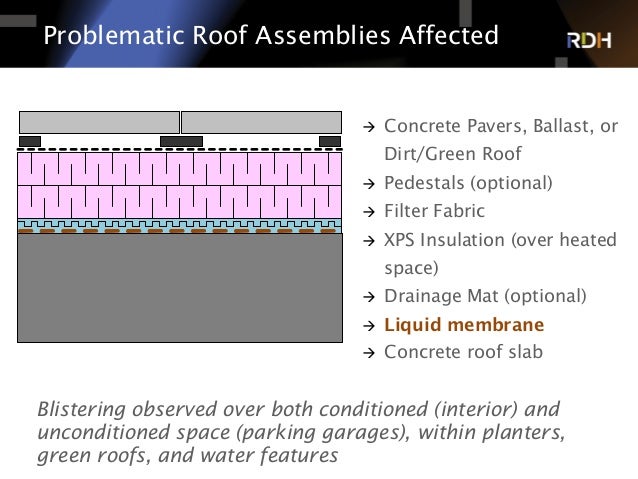
Membrane systems are most susceptible to blistering because blisters are formed by voids between the plies or at the point between the substrate and the membrane.
A pocket of air trapped between the layers of a roof membrane between the components of a roof assembly or within a layered roofing product such as an asphalt shingle.
According to the international association of certified home inspectors internachi poor ventilation is the primary cause of roof blisters.